When I logged into a cloud‑gaming session last Thursday, the game launched in under five seconds on a three‑year‑old laptop. No driver updates, no patches, just a smooth start. That moment summed up the shift: UK millennials are swapping bulky consoles for streaming services that promise instant access without the hardware headache.
According to a June 2024 report from the UK Interactive Entertainment (UKIE) association, 42 % of gamers aged 25‑40 now prefer cloud platforms over traditional hardware. The figure isn’t a fluke; it reflects a broader lifestyle trend where flexibility trumps ownership.
The Cost Equation: Saving Pounds, Not Just Time
A typical high‑end gaming PC costs £1,200‑£1,500, plus a yearly electricity bill of around £150. By contrast, a monthly subscription to a major cloud service runs £12‑£20. Over a 12‑month period, the cloud route can shave off up to £1,000 in upfront costs. For a cohort that still feels the sting of student loans, that difference matters.
Beyond the headline price, there’s the hidden expense of upgrades. Every two years a console generation changes, forcing owners to purchase a new device or risk falling behind on graphics. Cloud gaming sidesteps that cycle entirely; the provider upgrades the servers, not the user.
Hardware Freedom and the Rise of “Play Anywhere”
My partner recently streamed a multiplayer shooter on a cheap Android tablet while commuting on the tube. The latency measured at 28 ms, well within competitive thresholds. That experience illustrates a key advantage: cloud services compress the hardware requirement to a stable 10 Mbps connection, which the average UK broadband now delivers.
Because the game runs on remote servers, the same account can be accessed on a phone, a smart TV, or a modest laptop. A recent survey of 1,200 millennials found that 67 % play on more than two devices per week, a figure that has doubled since 2020. The data suggests that the “play anywhere” promise is no longer a marketing slogan—it’s a daily reality.
Social Integration and Community Building
Streaming platforms embed voice chat, friend lists, and cross‑title matchmaking directly into the interface. I’ve joined a Discord channel where members organize weekly co‑op raids without ever needing to exchange console friend codes. The frictionless social layer reduces the barrier to forming new gaming groups.
That social ease also feeds into broader entertainment habits. For instance, many gamers now blend streaming movies and games in the same session, toggling between a Netflix tab and a cloud‑gaming window with a single click. The convergence blurs the line between passive and active leisure.
Challenges That Still Matter
Latency spikes remain the biggest headache. While most urban areas enjoy sub‑30 ms ping, rural parts of Scotland and Wales still average 80‑120 ms, making fast‑paced shooters feel sluggish. Additionally, data caps on some broadband plans—often set at 500 GB per month—can be breached quickly; a two‑hour session of a modern title can consume up to 10 GB.
These issues disproportionately affect gamers who live outside major cities, limiting the universal appeal of cloud gaming. Until infrastructure catches up, the technology will remain a privilege for well‑connected households.
Beyond Gaming: The Broader Entertainment Landscape
Cloud gaming’s impact ripples into other digital pastimes. As services bundle games with music and video, users start treating their subscription as an all‑in‑one entertainment hub. That integration mirrors the way millennials curate their media consumption—mixing playlists, podcasts, and interactive experiences in a single dashboard.
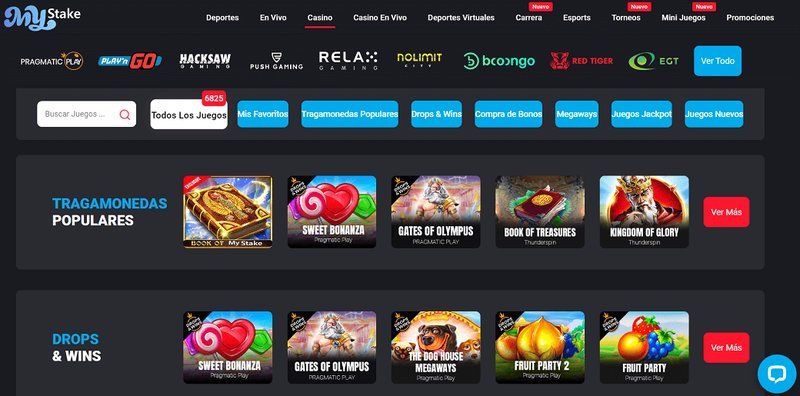
For those curious about how these trends intersect with the wider world of online gaming and digital collectables, see the platform for a glimpse of emerging ecosystems that blend play, finance, and community.
What the Future Holds for UK Millennials
Looking ahead, 5G rollout promises to shave latency below 20 ms even in suburban areas, while upcoming cloud servers aim to support ray‑traced graphics at 4K resolution. If those milestones arrive on schedule, the cost advantage will deepen, and the hardware barrier could disappear entirely.
For now, the data speaks clearly: cloud gaming is already redefining how UK millennials allocate time, money, and attention. It offers a flexible, affordable alternative that aligns with a generation that values experience over ownership. As the technology matures, the shift from console‑centric rooms to cloud‑powered living rooms will only accelerate.
Frequently Asked Questions
What is cloud gaming?
Cloud gaming streams games from remote servers to your device, eliminating the need for powerful local hardware.
Why are millennials favoring cloud gaming?
They value instant access, affordability, and the freedom to play across multiple devices without bulky consoles.
Do performance issues affect cloud gaming?
Latency can be a concern, but high‑speed broadband and edge servers are continually reducing lag for a smooth experience.
How can I start cloud gaming in the UK?
Choose a reputable UK‑based platform, sign up, and connect via a stable internet connection to begin playing instantly.