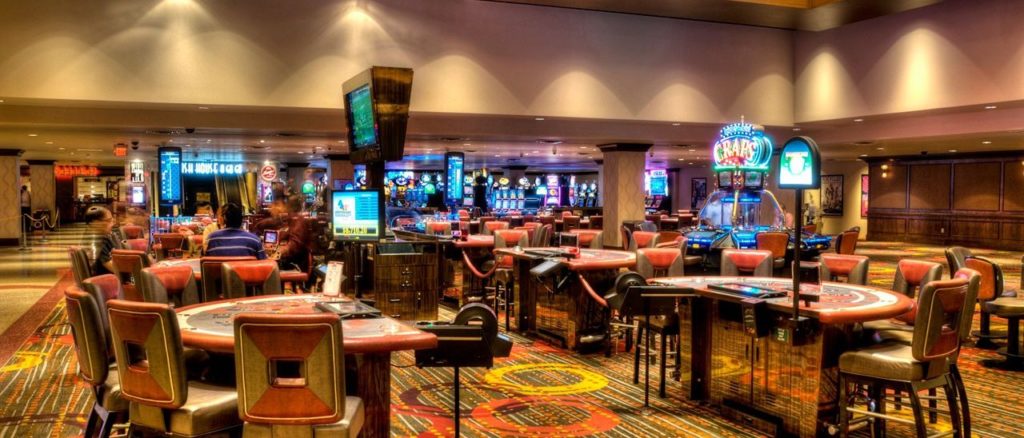
In Germany, gambling represents a form of entertainment that can be enjoyed safely when clear boundaries are in place https://casooo.de/responsible-gambling/. Nonetheless, without well-structured assistance frameworks, what starts as a recreational pursuit can gradually evolve into a pattern of detrimental actions. Gambling support resources are not a secondary consideration; they are a core element of any authorized gaming atmosphere. Well-crafted instruments such as financial restrictions, session time alerts, self-banning schemes, and direct access to professional counselling create a safety net that protects players before problems intensify. These resources enable users to maintain control, take educated choices, and obtain support the moment they sense their behaviors are drifting. This piece explores why every player should understand and consistently utilize with the support systems available to them.
The Truth of Gambling Harm in Germany
In Germany, the Staatsvertrag zur Neuregulierung des Glücksspielwesens (GlüStV 2021) has put player protection at the core of the legal gambling market. Research from the Bundeszentrale für gesundheitliche Aufklärung (BZgA) suggests that hundreds of thousands of adults show problematic gambling behaviour, with a considerable number meeting the criteria for a gambling disorder. The consequences extend beyond financial loss; they influence mental health, relationships, and professional stability. Accepting the scale of gambling-related harm is the first step toward realising why robust support resources are not optional but essential. Without access to these tools, players are left to navigate an environment crafted to keep them engaged, which can quickly overcome even disciplined individuals.
Early intervention is crucial because the transition from recreational play to harmful behaviour often happens slowly. Many gamblers do not recognise the warning signs until they have already suffered substantial losses or damaged personal relationships. Support resources serve as an early warning system, providing objective feedback that a player’s own perception might miss. When a casino actively promotes self-assessment tests and reality checks, it standardises the idea that monitoring one’s own behaviour is a standard part of the gambling experience. This cultural shift away from secrecy and denial makes it more likely that a person will seek help sooner, reducing the long-term impact on their life.
The Reason Session Time Limits along with Reality Checks Block Automatic Play
Prolonged uninterrupted gambling sessions represent one of the most common precursors to loss of control. As players become engrossed in the rhythm of a slot, they experience a dissociative state where time and money seem disconnected from reality. Session time limits act as a structural barrier to this occurrence. By establishing a maximum duration for a single session, a player agrees in advance to being interrupted, which shatters the trance-like absorption. The interruption itself a simple pop-up alert or a forced log-out, but its outcome is to re-engage the rational part of the consciousness. Casoo Casino urges players to use session time alerts that deliver a gentle nudge after a specified number of minutes of continuous play.
Reality checks are a complementary tool that moves beyond blunt time limits. A reality check consists of a periodic message that presents how long the player has been playing, how much they have wagered, and their net result during that session. This transparent summary of activity frequently is sufficient to break the “automatic play” habit. When a player sees that they have been spinning reels for two hours and are down a significant sum, the cognitive dissonance may trigger a voluntary decision to stop. The essential point is that the information appears objectively, without criticism, allowing the player to take ownership of their own boundaries. Integrating these prompts into the normal screen makes self-monitoring a seamless part of the process.
Self-Exclusion Systems: Creating a Required Cooling-Off Period
Self-exclusion is a voluntarily initiated but enforceable arrangement that blocks a player from logging into their betting account for a specified time. In Germany, the OASIS (Online-Abfrage Spielerstatus) centralised self-exclusion system is a foundation of the GlüStV 2021, enabling a player to block their account from all regulated platforms across the country with a one-time submission. This system is for people who understand that they need a complete break from gambling to take back authority. The minimum exclusion period is typically three months, but longer bans of a 12 months or longer are possible. Self-exclusion is not a indication of weakness; it is a courageous, decisive action that shows dedication to personal well-being.
Casoo Casino completely endorses the OASIS system and gives clear information on its responsible gambling page for starting a voluntary ban. Beyond the nationwide ban, the platform also offers account-based time-outs that can be triggered right away for periods ranging from 24 hours to several weeks. This flexibility allows players to set up a rest period without undertaking an extended block. The immediate impact is to eliminate the urge to log in and gamble without thinking. During the break, the player can access support resources, think about their behavior, and judge whether a return to play is truly safe. The presence of a simple, accessible self-exclusion button is a fundamental safety feature that all users must be aware of.
Third-party Blocking Software and Monetary Controls
For players who need an extra layer of protection outside the casino’s own tools, third-party blocking software offers a strong solution. Applications like Gamban, BetBlocker, or Net Nanny can be deployed on computers, smartphones, and tablets to block access to numerous gambling websites and apps. These tools function independently of any single operator, making them effective even if the player seeks to open a new account with a different provider. The installation process is straightforward, and once activated, the block is difficult to bypass, providing a strong deterrent during moments of weakness. Using such software is a powerful act of self-care that creates a digital safety perimeter around the player.
Financial controls complement blocking software by limiting the flow of money to gambling transactions. Many banks in Germany now provide the ability to block gambling-related payments on debit and credit cards. Additionally, services like e-wallets can be set up to prevent transfers to gambling merchants. Combining these financial barriers with time-based blocking software creates a multifaceted defence that significantly reduces the risk of impulsive gambling. Casoo Casino’s responsible gambling guidance includes information on these external tools, acknowledging that player protection does not end at the casino’s digital doorstep. True player safety involves a thorough ecosystem of controls that the player can customise to their own needs.
How Deposit Limits Break Destructive Spending Patterns
Deposit limits are considered the most efficient pre-commitment tools a player can use. By establishing a fixed maximum amount that can be transferred into a gaming account over a day, week, or month, players establish a hard boundary that prevents impulsive overspending. The psychological mechanism behind this is basic but strong: humans are weak at making rational financial decisions in emotionally charged moments, especially after a loss or a win. A deposit limit eliminates the need for in-the-moment self-control by doing the decision in advance, when the player is calm and objective. Casoo Casino delivers flexible deposit limit options that can be changed downward instantly, making sure the barrier remains effective when the need for control is greatest.

Importantly, deposit limits also force a player to hesitate and think before increasing their spending threshold. When a request to increase a limit is made, reputable platforms like Casoo Casino introduce a cooling-off period before the change takes effect. This delay is not a punitive measure; it is a protective feature designed to counteract the immediate urge to chase losses. During that waiting period, the player has time to reconsider whether the increase is genuinely justified or driven by temporary frustration. This simple temporal gap can be the difference between a controlled budget and the start of a serious financial problem.
Loss thresholds and the Mindset of Chasing Losses
While deposit limits limit the money entering an account, loss limits restrict the amount a player can lose within a specific period. This distinction is crucial because a player might put in a sum, win, and then lose those winnings plus more, never breaching the deposit cap. A loss limit, however, halts play once net losses reach a preset threshold, irrespective of deposit activity. The primary impulse behind harmful gambling is often the chase – the urgent attempt to recover money that has already been lost. This behaviour is powered by the cognitive bias that a win is “due” and that losses can be reversed. Loss limits directly interrupt this cycle by applying a stop that the player cannot override in the heat of the moment.
Setting a loss limit before a session requires the player to define, in advance, what an acceptable financial loss entails. This changes the abstract concept of “I won’t spend too much” into a concrete, measurable commitment. When the limit is reached, the system automatically halts further play, giving the player no choice but to step away. Over time, this practice trains the brain to accept losses as a fixed cost of entertainment, similar to paying for a concert ticket. The emotional hold of the chase diminishes, and gambling becomes a more open transaction. At Casoo Casino, players can set tailored loss limits that align with their personal financial situation and leisure budget.
Employing Self-Assessment Tools for Prompt Intervention
Self-assessment questionnaires are intended to measure the risk level of a person’s gambling behaviour before it becomes a clinical disorder. These tests are not diagnostic instruments but screening tools that encourage self-reflection. The most widely used is the Problem Gambling Severity Index (PGSI), but the “Check dein Spiel” portal offers a German-language self-test that asks basic, direct questions about control, chasing losses, and the impact on daily life. Unlike a casual internal monologue, a structured questionnaire forces the taker to face specific behaviours they might otherwise minimise. The result is a score that categorises the risk as low, moderate, or high, accompanied by actionable recommendations.
Taking a self-assessment test in private can be a turning point. Because the tool is anonymous and requires no commitment, it sidesteps the defensiveness that often accompanies a direct intervention from a family member. The objective feedback “your score suggests you are at moderate risk” can be more compelling than a worried plea from a partner. Casoo Casino integrates a link to a validated self-assessment tool directly on its responsible gambling page, urging players to check their habits periodically, even when they feel nothing is wrong. Normalising this kind of health check, similar to a blood pressure measurement, embeds responsible gambling into the player’s routine rather than treating it as a crisis response.
The Role of Professional Counselling and Helplines
Self-help tools are beneficial, but for many individuals, the guidance of a trained professional is the critical component in overcoming a gambling problem. Germany has a comprehensive network of free and confidential counselling services specifically designed for gambling addiction. These services are not limited to those with a severe disorder; they are available to anyone who is worried about their own behaviour or that of a loved one. Trained counsellors recognize the psychological traps of gambling and can offer evidence-based strategies such as cognitive behavioural therapy, financial counselling, and family support. Acknowledging a need for external help is a important step, and the anonymity of telephone or online counselling often reduces the barrier to making that first contact.
Important support contacts https://www.bundesfinanzministerium.de/Content/EN/Standardartikel/Topics/world/G7/group-of-seven-g7.html for players in Germany include:
- BZgA gambling addiction helpline: 0800 – 1 37 27 00 (free, anonymous, available nationwide)
- “Check dein Spiel” digital counselling and self-test portal (check-dein-spiel.de)
- Local addiction counselling centres (Suchthilfeverzeichnis.de) offering face-to-face support
- Caritas and Diakonie programmes for gambling addiction
- Gamblers Anonymous (GA) meetings held in numerous German cities
These resources follow the principle that no one should have to deal with gambling problems alone. The initial conversation with a counsellor is impartial and focused on understanding the individual’s situation. Many people note that simply articulating their worries to an impartial listener brings prompt relief and clarity. Casoo Casino prominently links to these professional services, ensuring that players who need them have a direct path to expert help without having to search independently.
How Casoo Casino Embeds Support Resources for Players
Casoo Casino has developed its responsible gambling framework around the concept that player protection should be readily accessible and difficult to disregard. The specific responsible gambling page, found via a clearly visible link, serves as a central hub for all offered tools. From this page, a player can configure personalised deposit, loss, and session time limits, request a time-out, or start a self-exclusion connected with the German OASIS system. The process is structured to be intuitive, with step-by-step guides that remove any confusion. In addition to in-platform controls, the page supplies direct links to the BZgA helpline, the “Check dein Spiel” self-test, and a directory of local counselling centres, making sure that professional help is just one click away.

Understanding that player protection is a continuous duty, Casoo Casino educates its customer support team to identify signs of distress and to reply with empathy and concrete information. If a player gets in touch with concerns about their spending, the support agent can walk them through the existing limit-setting tools or, if appropriate, enable a self-exclusion. The platform also conducts regular reviews of its responsible gambling policies to maintain compliance with the evolving German regulatory landscape. By integrating these resources into the core user experience rather than handling them as a compliance checkbox, Casoo Casino fosters an environment where seeking help is normalised and every player is empowered to maintain control over their gambling.